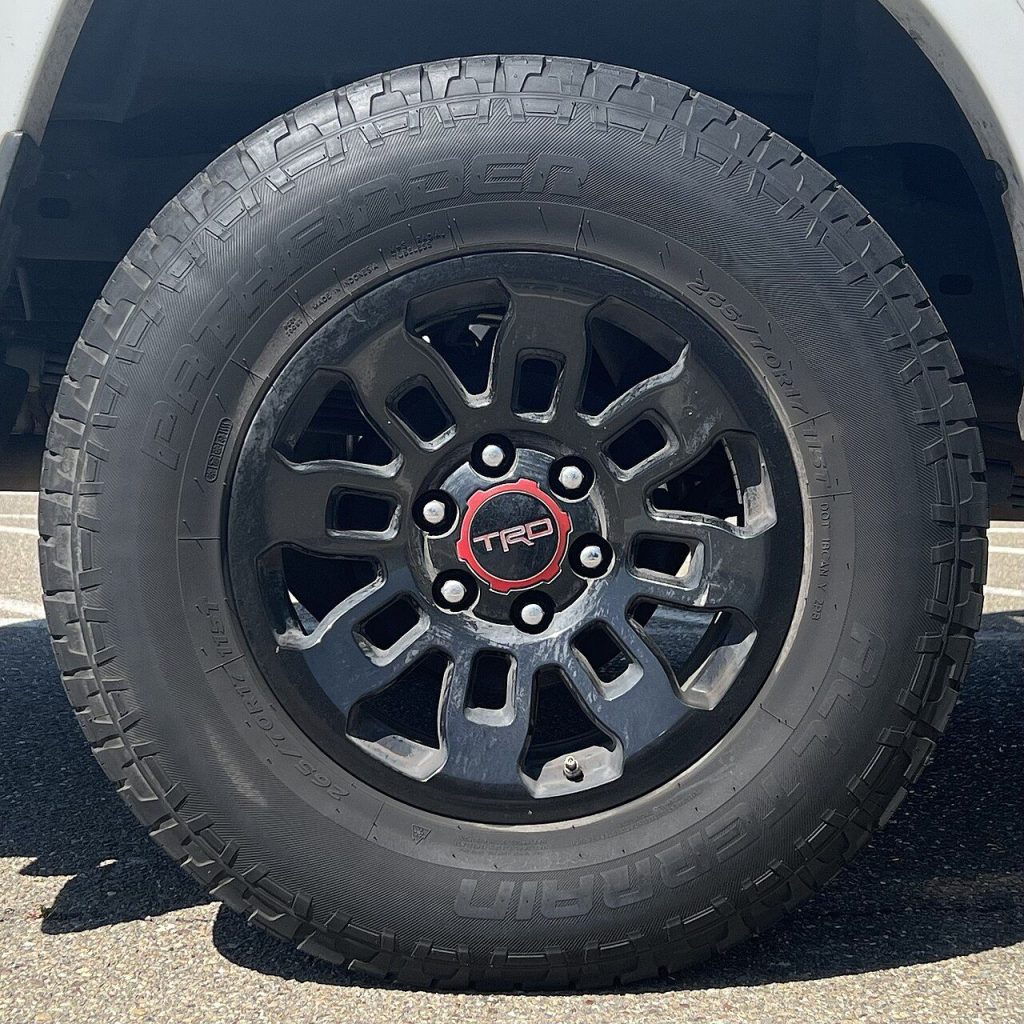
How to choose an air compressor: CFM, duty cycle and tire size
Match CFM to your tire volume and check it at working pressure, not the 0 PSI headline: bigger tires need more air, and a compressor that slows near 30 PSI will feel slow on 35s. Then check duty cycle: if it can't run long enough to fill four tires without resting, you'll be waiting at the trailhead.
We may earn a commission when you buy through links on this page. As an Amazon Associate I earn from qualifying purchases. Affiliate links never decide a verdict. How we make money
What you're really buying: air volume
Tire volume grows with size; CFM vs PSI curve; read maker charts (cite).
CFM for your tire size
Table: tire size vs our timed air-up per compressor, plus maker-published fill times (cited, labelled maker).
- 35-inch tires
Duty cycle explained
% at stated PSI and ambient; what 33% vs 100% means in practice.
Portable, onboard or cordless
Trade-offs; link Q2/Q3 pages.
Power, hoses and fittings
Battery clamps vs plug, fuse, hose length for full-size trucks, chuck type, gauge accuracy.
Cold weather
Our cold test notes; condensation in lines.
Compressors we've tested
Hub + Amazon buttons under disclosure.
FAQ
Visible FAQ; PSI by surface lives on airing-down skill.