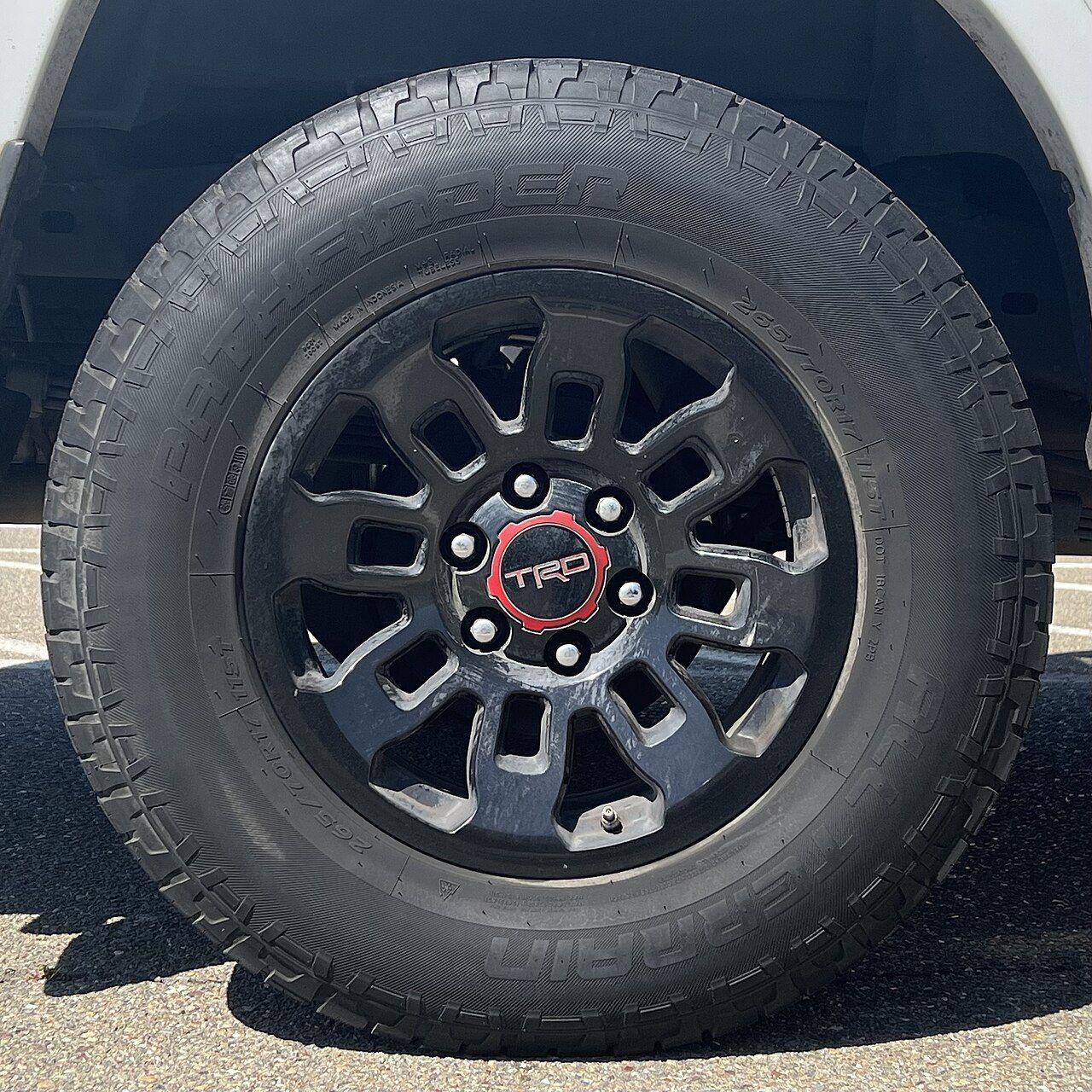
All-terrain vs mud-terrain tires: which belongs on an overland rig?
For most overland rigs an all-terrain is the right tire: quieter, longer-wearing, better on packed snow and often 3PMSF-rated for winter. A mud-terrain earns its noise and wear only if you regularly drive deep mud or sharp rock, and most aren't winter-rated.
The short answer
Decision table by use: highway %, gravel, snow, mud, rock.
How they differ
Void ratio, lug size, siping, compound, sidewall plies.
Snow, ice and the 3PMSF symbol
What 3PMSF means; M+S vs 3PMSF under BC rules (cite); MTs rarely rated; example: our STT Pro not 3PMSF.
Gravel and forest service roads
Chip/cut resistance, stone retention, load range.
Noise, ride and fuel
General differences; only measured numbers if we have them.
Wear and cost
Treadwear warranties are common on ATs, rarer on MTs; weight.
Airing down either one
Brief; link PSI owner; aired-down speed.
The tires we've tested
Links to Stronghold AT, Pinza AT, STT Pro reviews (no Amazon on this page).
FAQ
Visible FAQ: are mud tires good in snow? hybrid/rugged-terrain tires?
Related on Dirt & Distance
- off-road tires
- Cooper Discoverer Stronghold AT
- Cooper Discoverer STT Pro
- Vredestein Pinza AT
- airing down
Lead photo: TaurusEmerald · CC BY-SA 4.0 · Source
