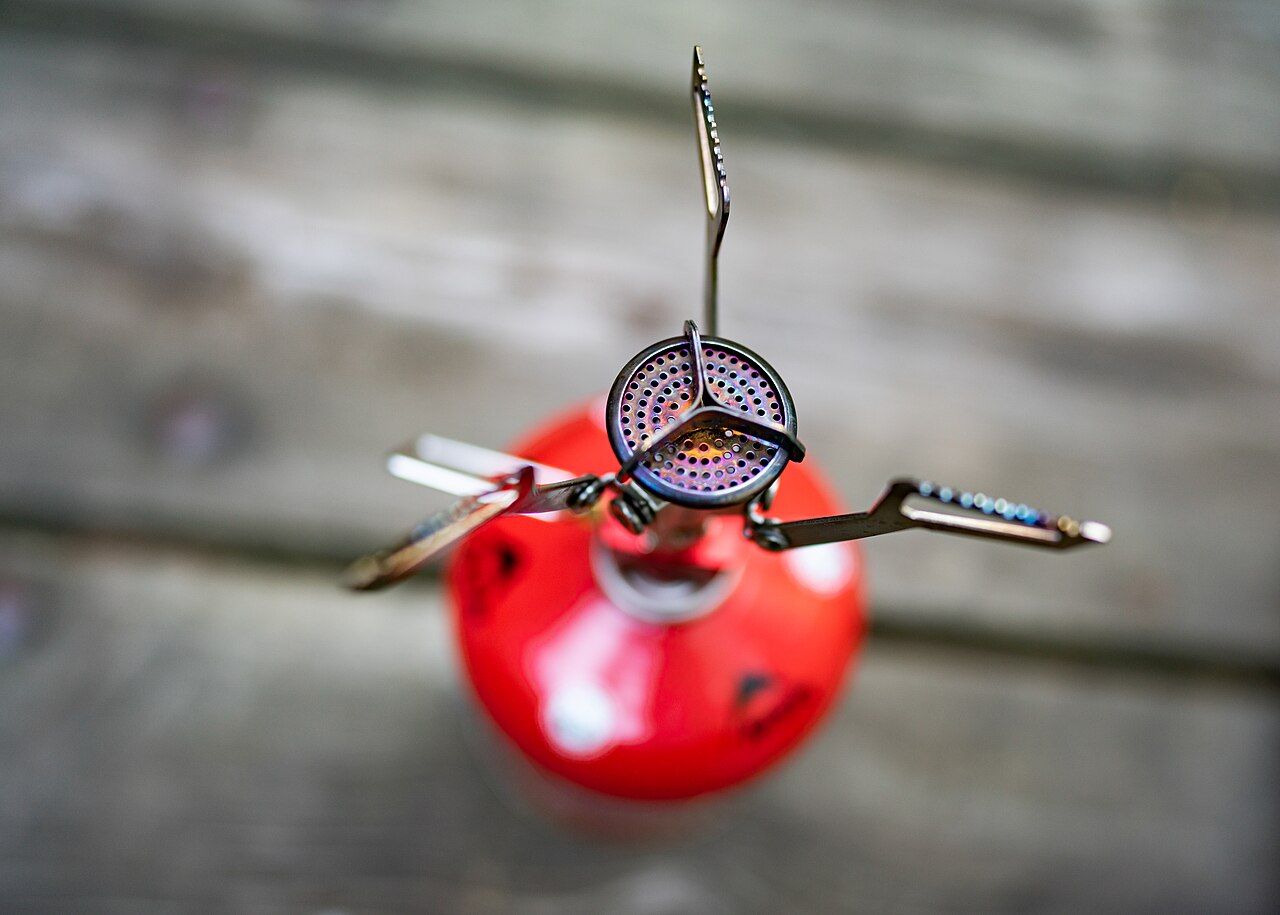
Camp stoves
Propane, isobutane or white gas: stove fuel in the cold
In real cold, propane and white gas keep working; butane-based canisters fade. Propane boils at about −42°C, isobutane at about −12°C and n-butane near 0°C, so a butane canister below freezing barely vaporizes, while white gas is a pressurized liquid that doesn't care.
In production. This page is a working outline: the structure is final, and the full copy, test data and photography are on the way.
The short answer
Table: fuel, boiling point (cited), practical low limit from our tests, pros/cons for vehicle camping.
Why boiling point matters
Vapour pressure; canister cooling as it runs; altitude note.
Propane
1 lb cylinders vs bulk tanks; cold performance; Canada refill/exchange link.
Isobutane-propane canisters
Blends; inverted/liquid-feed stoves; keeping canisters warm.
White gas (naphtha)
Pumping, priming, maintenance; spill handling.
Our cold boil tests
Time to boil 1 L at stated temps per fuel.
Safety: ventilation and storage
No stoves in tents/vehicles (CO); storing fuel; fire bans link.
FAQ
Visible FAQ.
Related on Dirt & Distance
Keep reading
All in Camp stoves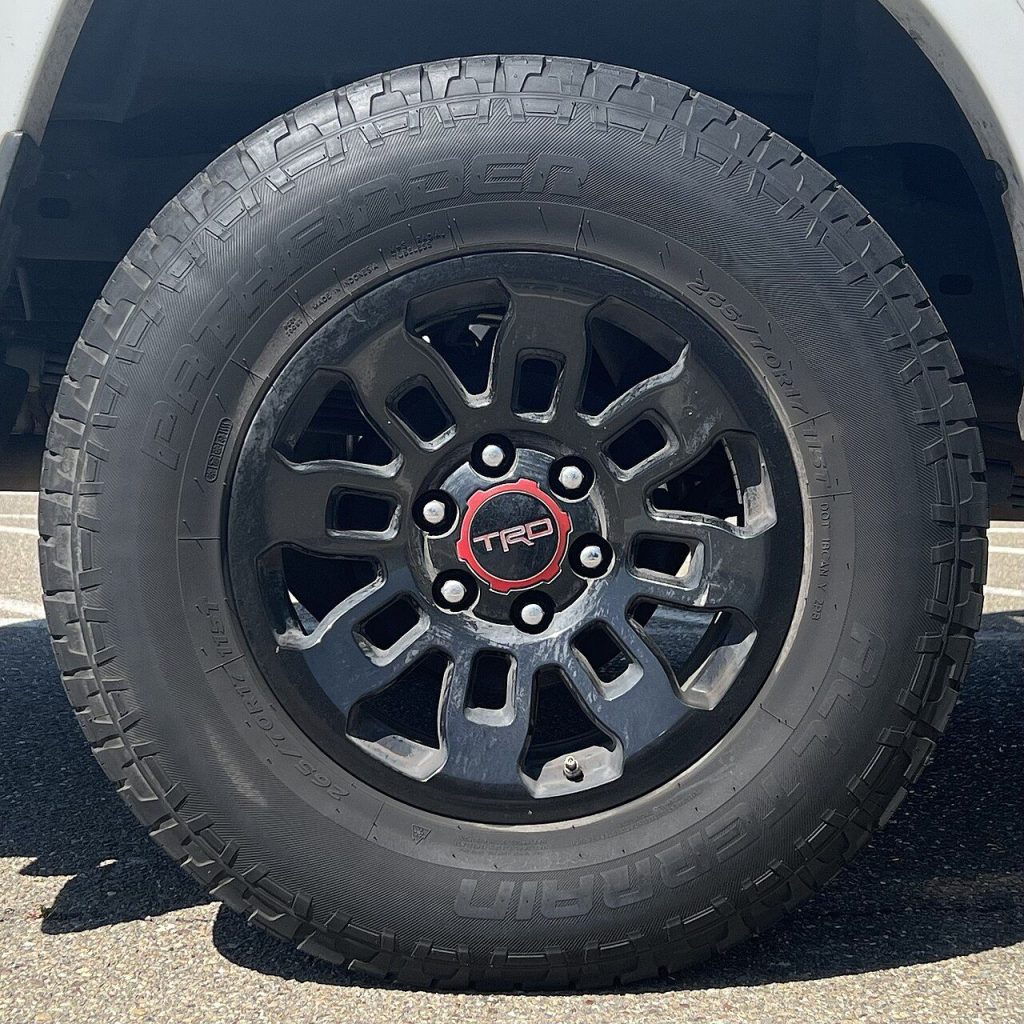

Gear testsIn production
All-terrain vs mud-terrain tires: which belongs on an overland rig?For most overland rigs an all-terrain is the right tire: quieter, longer-wearing, better on packed snow and often 3PMSF-rated for winter. A mud-terrain earns its noise…
Gear testsIn production
Cooper Stronghold AT vs Vredestein Pinza ATTwo 3PMSF all-terrains on the same truck: Cooper Stronghold AT vs Vredestein Pinza AT on gravel, snow, mud, highway noise and wear, with warranties compared.
Gear testsIn production
Cooper Discoverer STT Pro reviewOur long-term Cooper Discoverer STT Pro review: mud, rock, gravel, highway noise and wear, and why this mud-terrain isn't our pick for BC winter highways.
Gear testsIn production