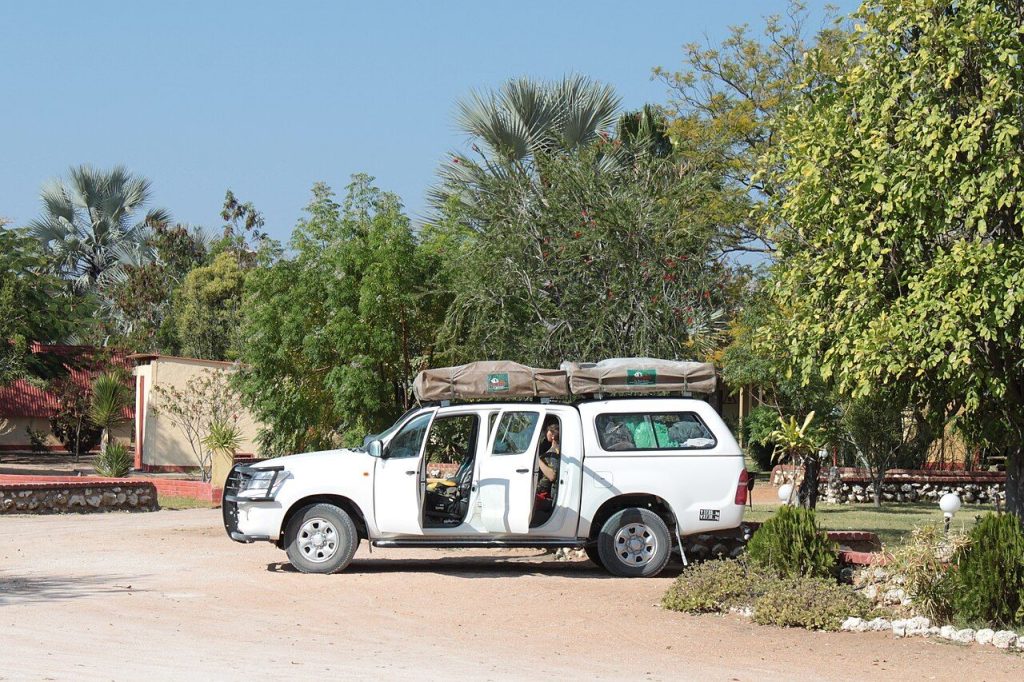
Hard-shell vs soft-shell rooftop tents
A hard-shell rooftop tent opens in about a minute, keeps bedding inside and rides lower and quieter; a soft-shell is usually lighter, cheaper and roomier once unfolded, but takes several minutes and a wet fly to pack. If you move camp most days or camp in rain and snow, the hard shell earns its weight; if you stay put and watch the roof load, the soft shell does.
We may earn a commission when you buy through links on this page. As an Amazon Associate I earn from qualifying purchases. Affiliate links never decide a verdict. How we make money
The short answer
Decision table: camp moves per trip, weather, roof dynamic load, budget, interior space, who each suits. Lead with the verdict, not history.
Setup and pack-down time
Our stopwatch times for each shell type, open and closed, dry and wet. Published ranges as context only (cited).
- Packing a wet soft-shell
- Bedding stays in: what fits when closed
Weight and your roof
Tent weight vs vehicle dynamic roof rating and rack rating; why this usually decides it on crossovers. Summarise and link to the static/dynamic explainer rather than re-explaining.
On the road: drag, noise and fuel
Profile height closed, wind noise, fuel use; only our measured numbers or cited maker figures, no invented mpg/L per 100 km.
Weather, condensation and cold
Rain, wind, snow load, condensation in shoulder season; insulation options; link Q1 winter page.
Space, comfort and layout
Soft-shell fold-out annex/floor area vs hard-shell footprint; mattress, headroom, access ladder.
Cost and resale
MSRP bands from manufacturers (cited + dated, no Amazon prices); what you pay for in a hard shell.
Which shell for which rig
Small cars/crossovers, mid-size trucks (bed rack), full-size; truck camper as the alternative.
Tents we've tested
Links to D&D reviews once live (Q1+); 'Check price on Amazon' buttons only in this block, under the disclosure.
FAQ
Visible FAQ (FAQPage only if visible): hard shell warmer? store gear on top of a hard shell? one-person install?