Pop-up truck campers: hard-side vs soft-side, payload and fit
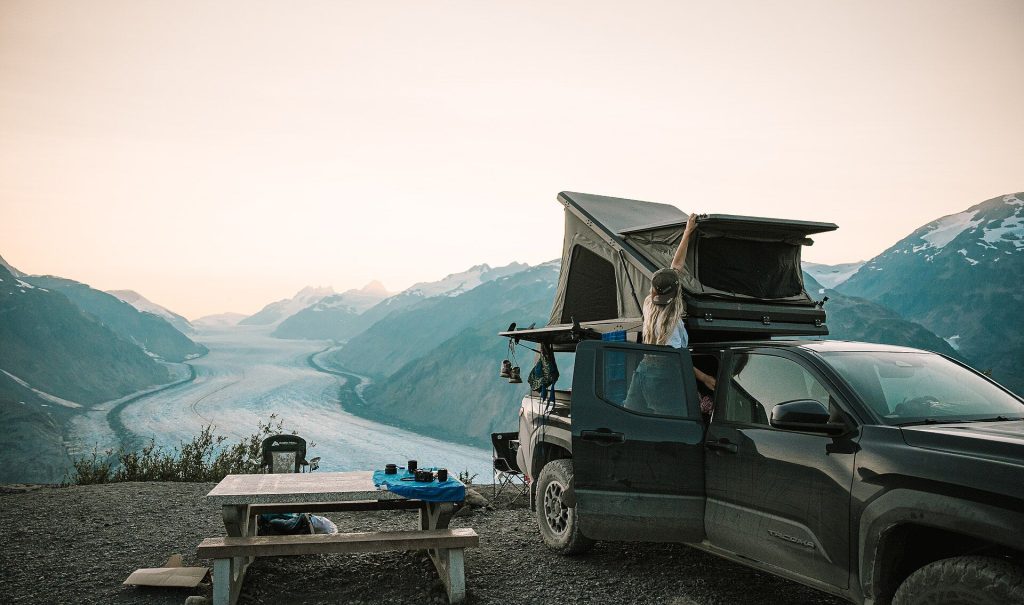
A pop-up truck camper lowers its roof for driving and raises it at camp, which keeps weight and height down compared with a hard-side. Soft-side walls are lighter; hard-side pop-ups seal better against cold and wind. Which one fits is decided first by your truck's cargo weight rating.
We may earn a commission when you buy through links on this page. As an Amazon Associate I earn from qualifying purchases. Affiliate links never decide a verdict. How we make money
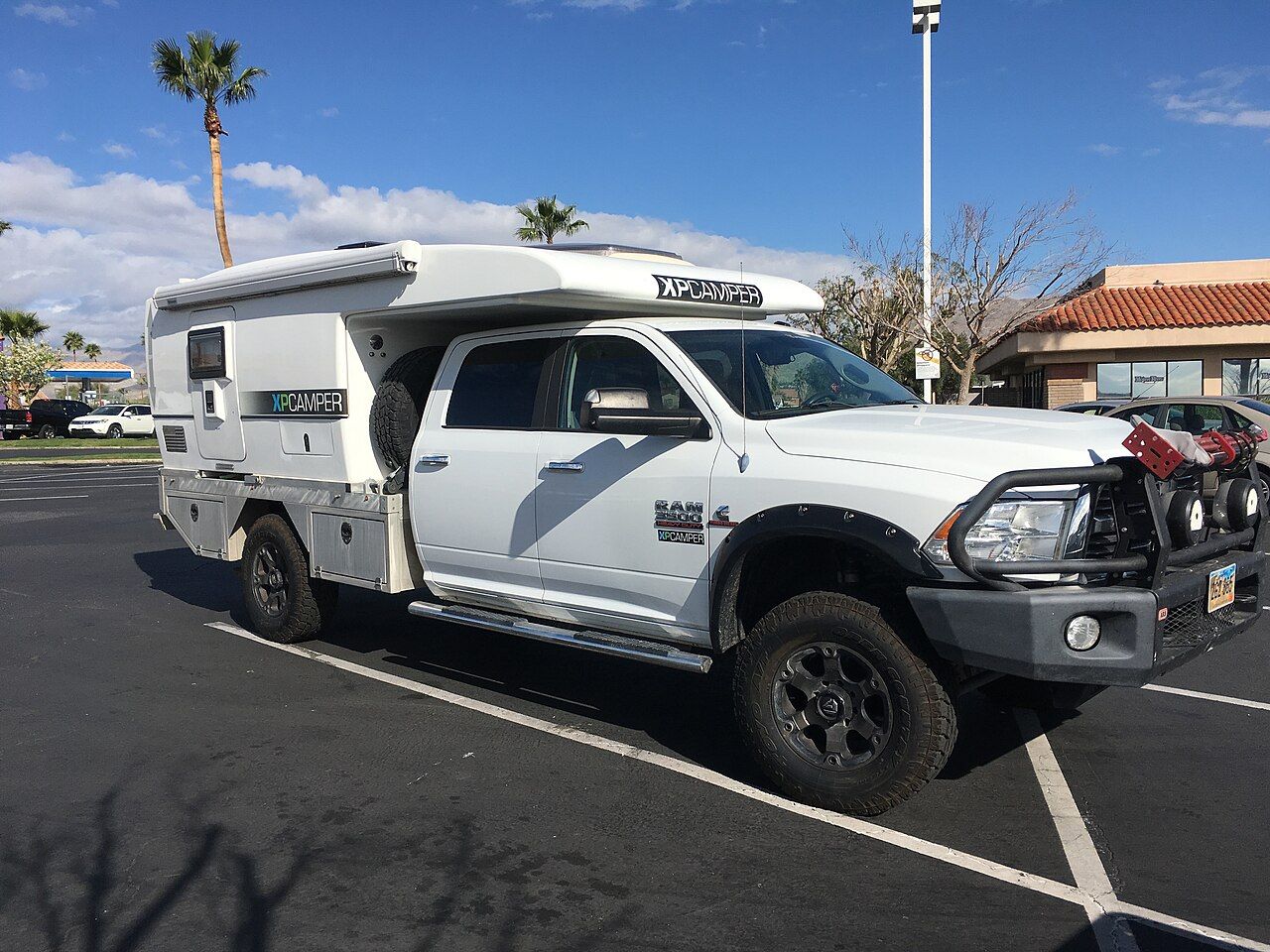
What a pop-up truck camper is
Definition; slide-in vs flatbed; wedge vs full pop-up.
Soft-side vs hard-side pop-ups
Weight, insulation, condensation, canvas care/replacement, noise in wind. No invented R-values: maker specs only.
Payload and fit
Step-by-step method: find truck cargo weight rating and CG range (575.103) → camper label max loaded weight (FMVSS 126) → add people, water, gear → bed length/tailgate. Link payload page.
- Reading the labels
- Mid-size vs full-size trucks
Who builds pop-up campers
Factual list (names, country, link to maker): Four Wheel Campers, Go Fast Campers, AT Overland, Overland Explorer Vehicles (Canada) etc. Verify each maker's current models; no ranking without tests.
Inside: kitchen, fridge, toilet
Layouts; fridge behind seat vs slide → link.
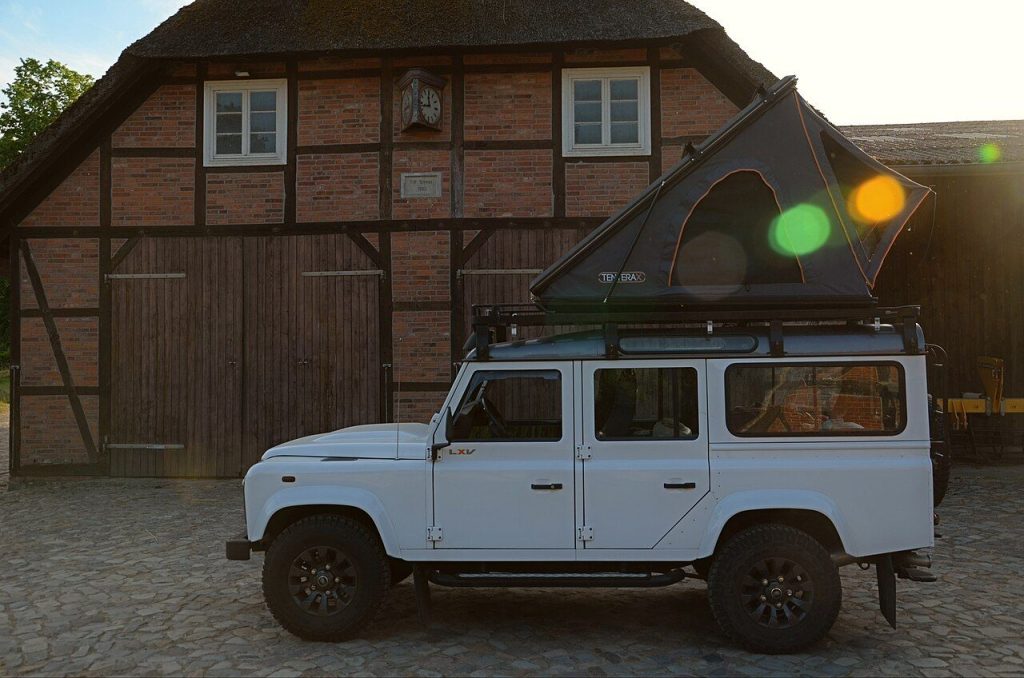
Pop-up camper or rooftop tent?
Link comparison.
Buying used
Canvas, lift struts, water damage checks (tester knowledge).
FAQ
Related on Dirt & Distance
Lead photo: Gillfoto · CC BY-SA 4.0 · Source